The Video Testimony
Public Statement on CHP Body Camera Spoliation, Retaliatory Warrants & Illegal Transport
In this public statement, Jessica Markle breaks down the systematic abuse of state authority by the California Highway Patrol following the October 11, 2024 commercial semi-truck collision. Backed by explicit California statutes, the testimony exposes how responding officers manipulated digital evidence, executed retaliatory database checks on trauma victims, and committed illegal interstate transport.
Key Violations & Evidence Highlighted in the Statement:
- BWC & Audio Spoliation: Deliberate delays and microphone shutdowns executed by CHP personnel, directly violating California Penal Code Section 832.18 and CHP HPM 70.1 to scrub initial trauma interactions.
- Retaliatory CLETS & NCIC Checks: Unauthorized warrant sweeps run on incapacitated crash victims while Joshua was being airlifted, contrasted against zero field sobriety tests, drug screens, or logbook inspections for the commercial driver.
- Coercive Tow Ultimatum: Forcing an injured crash victim to choose between abandoning over $1 million in rare numismatic inventory or boarding a tow truck cab under duress.
- Illegal Interstate Seizure: Officer Luke Purther seizing an injured civilian across state lines into Nevada and dumping her at a Buffalo Bill's casino parking lot without medical clearance, arrest warrants, or NHP coordination, violating California Penal Code Section 207.
- Weaponized Report Falsification: The creation of a fabricated CHP 555 collision report that downgraded severe injuries and omitted high-value inventory, directly fueling bad-faith insurance denials and economic destruction.
Watch / Reference: The complete video statement is publicly archived and accessible on YouTube (Watch Video Here), entering these statutory violations and evidentiary breaches directly into the public record.
The Falsified Police Report
Official Fabrication & Systemic Claims Suppression
In the civil and insurance arenas, an official CHP Collision Report is treated as an authoritative, objective record. It dictates how insurance adjusters establish fault reserves, triggers automated claims-processing algorithms, and heavily influences judicial proceedings. When an investigating officer falsifies facts, omits physical evidence, or minimizes catastrophic trauma on an official public record, it acts as an immediate administrative weapon used to undermine victims, protect corporate tortfeasors, and suppress liability.
Critical Contradictions & Record Fabrications to Examine:
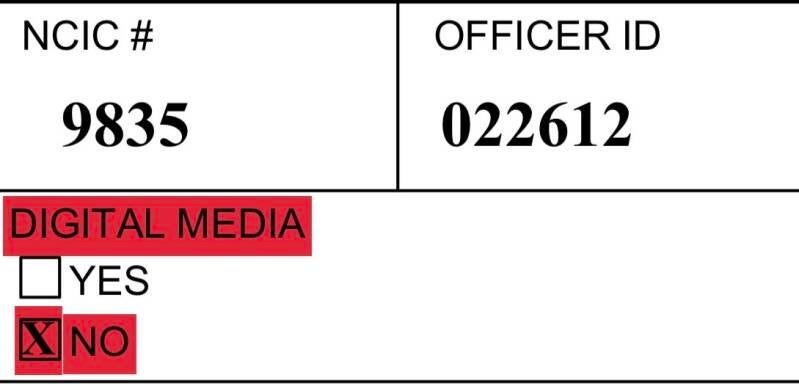
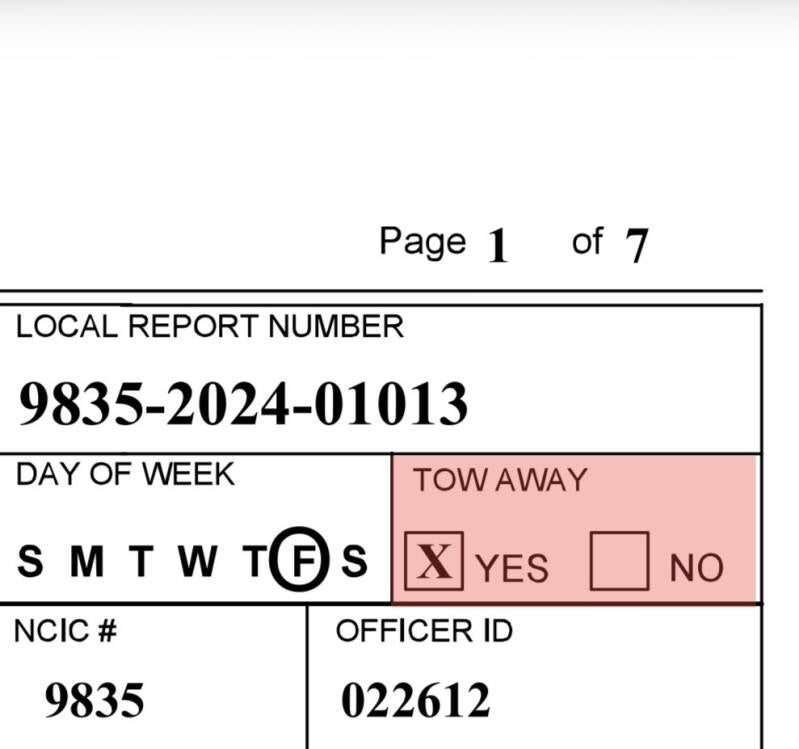
- Digital Media Denial: On Page 1, the report explicitly marks Digital Media: NO, claiming no footage exists—yet CHP had in its possession active evidence video, secured independently by Joshua Markle.
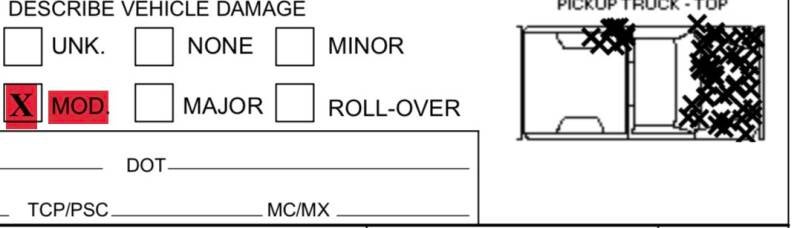
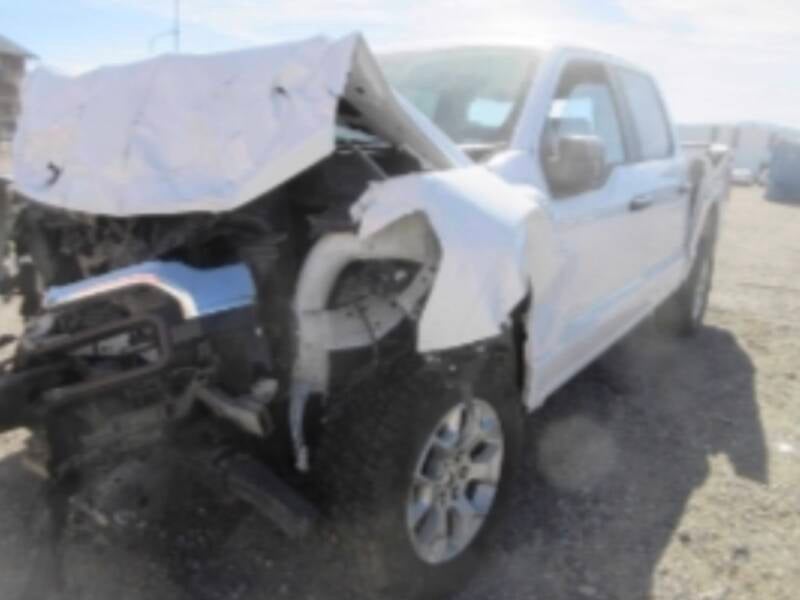
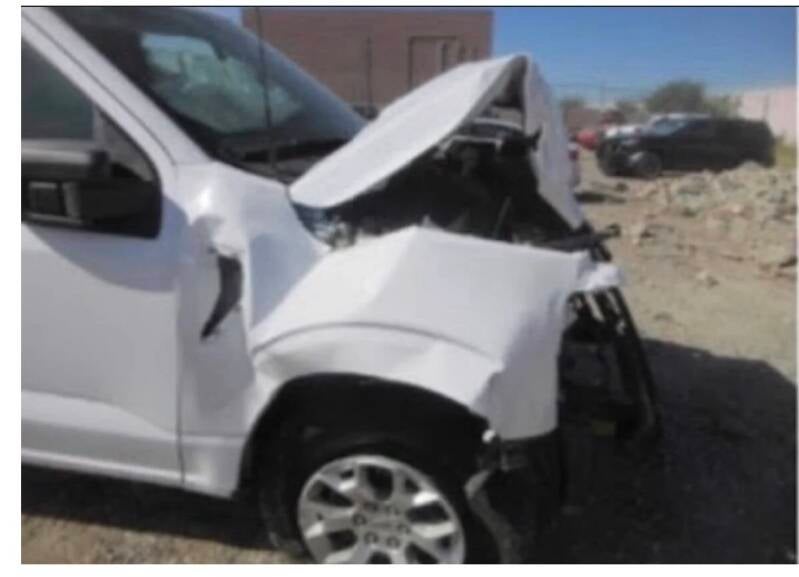
- Damage Classification Fraud: Page 1 records only Moderate Damage for a Ford F-150 that was totally destroyed and crushed, deliberately triggering insurance algorithms designed to downplay catastrophic loss and avoid high-exposure claim processing.
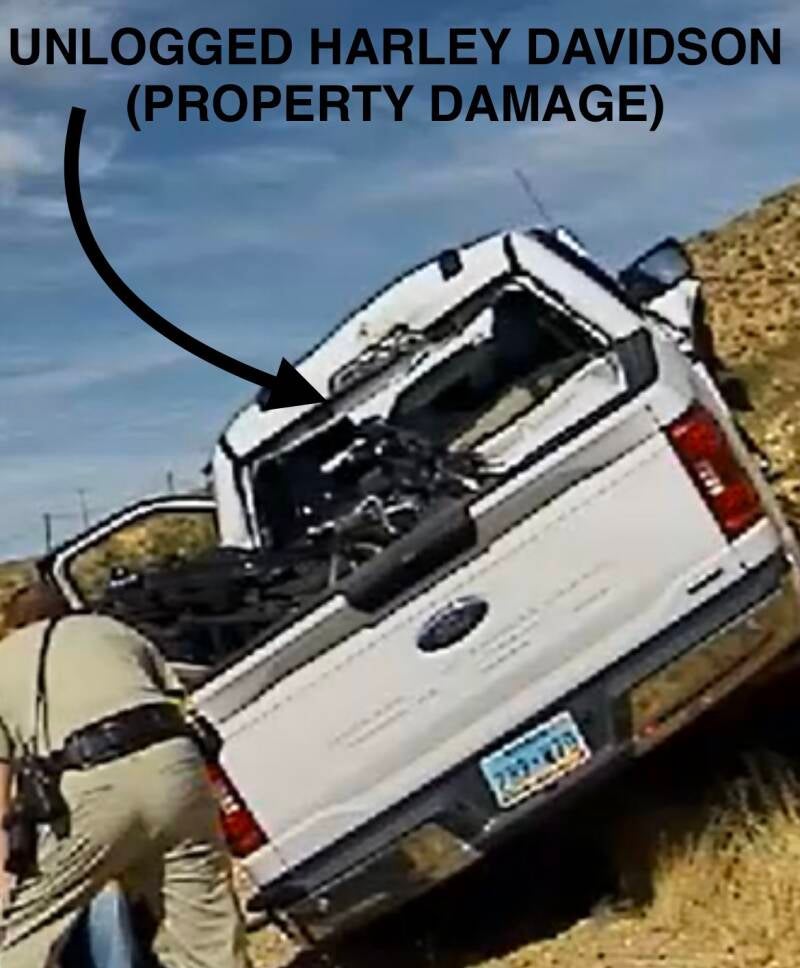
- Omitted Property Damage: Page 2 leaves the Property Damage section completely blank, concealing the total destruction of a custom Harley-Davidson motorcycle carried in the bed of the truck and a rare coin inventory in the backseat.
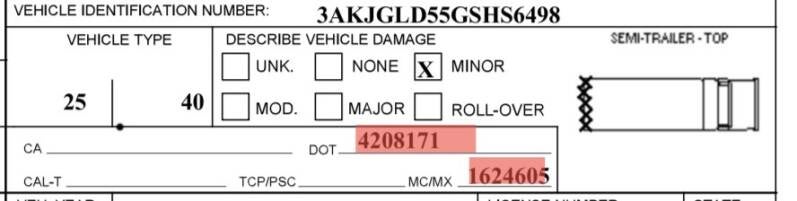
- Carrier Entity Confusion: Page 1, 2 and Page 7 list three distinct corporate entities—Spartan Transport Inc., Unique Van Lines Inc., and ASAP Moving and Storage LLC—under a single, conflicting authority number (DOT/MC/MX), creating an administrative shell game for liability.
- Minimization of Trauma & Falsified Transport Records: Page 3 lists "Possible Injury" for Joshua Markle, who required immediate emergency air evacuation via Mercy Air helicopter (EMS Run #24-254671) to University Medical Center Trauma Center for severe internal organ resection and torso trauma. For Jessica Markle, the report marks "Will Seek Own Aid / Taken To: N/A. Even though she was documented as “COMPLAINT OF PAIN TO CHEST"—contradicting Computer-Aided Dispatch (CAD) logs showing Officer Purther removed her from Stateline Tow Yard in Cima, California, and abandoned her across the California border into Nevada at Buffalo Bill's Hotel and Casino.
Judicial Alert: The document below—authored by Officer Luke M. Purther (ID #022612)—is not a mistake; it is an active baseline of official misrepresentation currently being challenged in federal court (Markle v. Purther).
Evidentiary Dissection & Legal Consequences
How Official Lies Compromise Civil Remedies
When a state officer generates an official report containing documented falsehoods, the immediate result is bad-faith insurance leverage. Corporate risk managers and third-party administrators use these manufactured entries—such as "moderate damage" and "no digital media"—to deny coverage, delay investigations, and force victims into exhaustion before truth can reach a docket.
The Paper Trail Rebuttal: Below this official document, each line item, CAD dispatch log, audio recording, and photographic evidence file will be mapped directly against Officer Purther’s written narrative to expose the systemic disconnect between law enforcement records and physical reality.
Fabrication #1: Digital Media Denial
Deliberate Concealment of Objective Evidence
Under California law and California Highway Patrol policy, "Digital Media" encompasses all electronic audio, video, body-worn camera (BWC) recordings, dashcam feeds, and digital photographic files collected or held by law enforcement during an investigation. Marking "NO" on an official CHP-555 report certifies to courts and insurance carriers that zero electronic evidence exists.
The Three-Day Premeditation: This report was authored on October 14, 2024—three full days after the collision. This was not a rushed error made in the chaos of an active crash scene; it was a deliberate administrative exclusion crafted days later to suppress the existence of video footage from the official public record.
Producing The Concealed Media
April 25, 2025 CHP Evidence Release
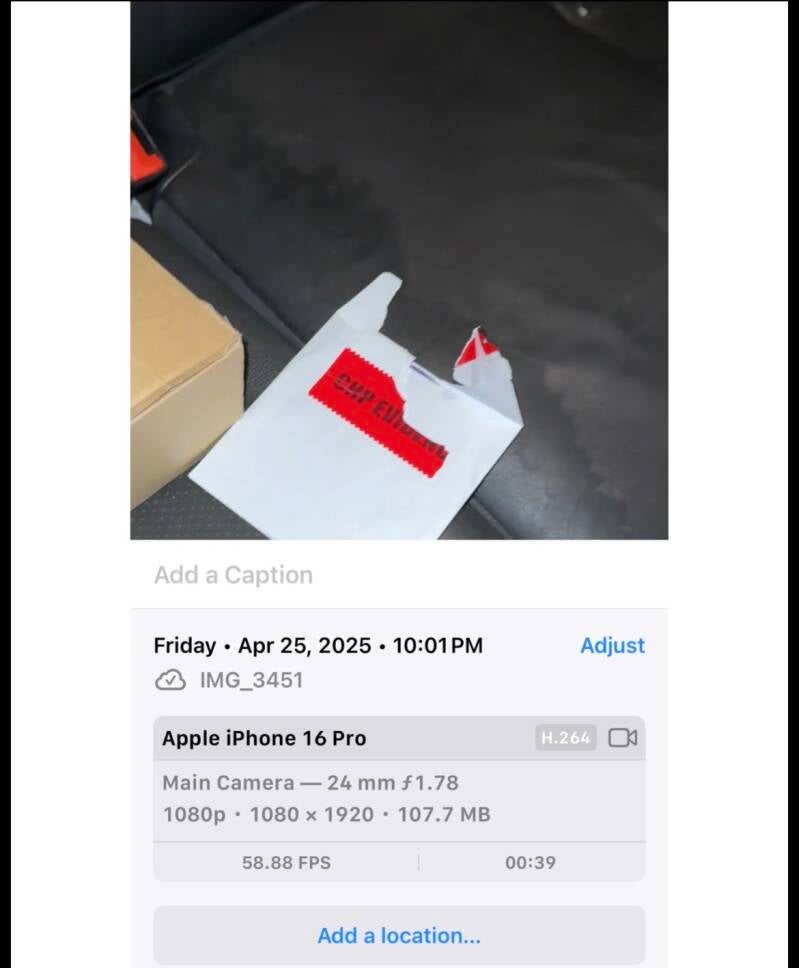
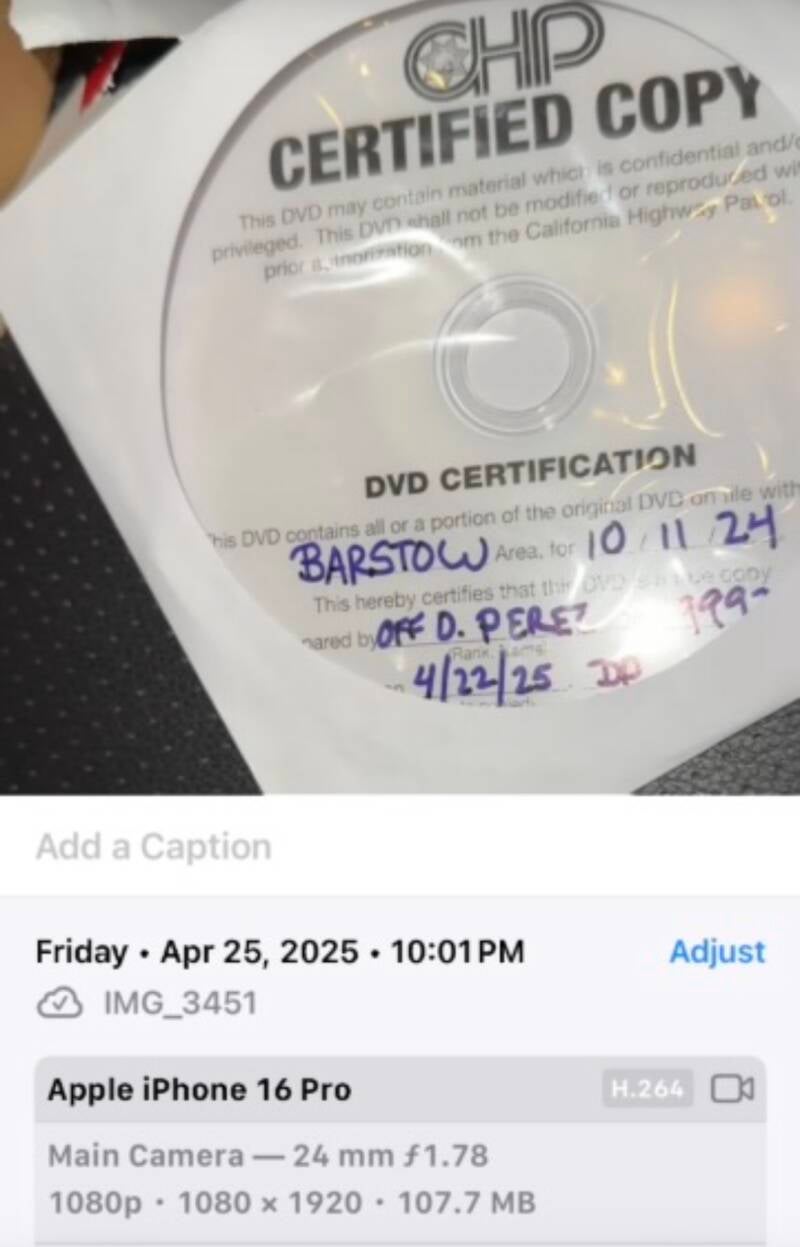
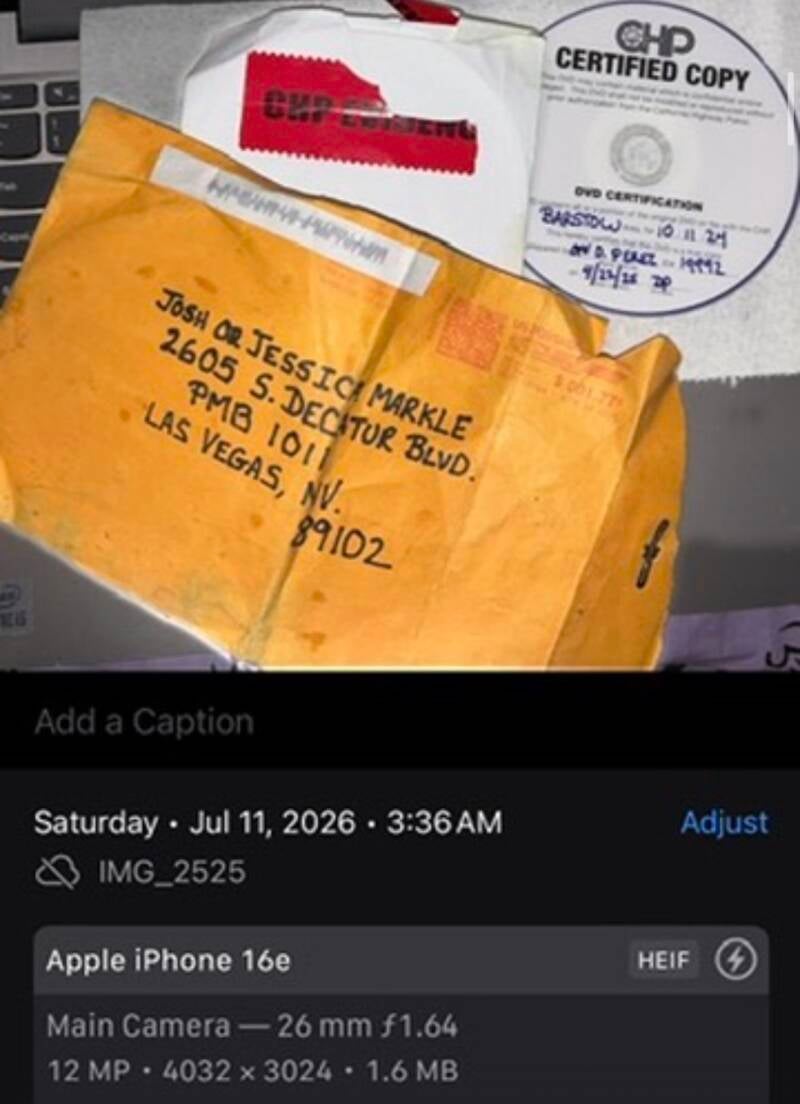
Despite Officer Purther's explicit declaration that no digital media existed, Joshua Markle independently pursued and secured the official evidence disc directly from the California Highway Patrol Barstow Division Evidence Department.
Proof of Official Misrepresentation: Time-stamped on April 25, 2025, this red-sealed CHP Evidence envelope directly refutes the primary page of the official collision report. The video existed in CHP custody all along, proving that the initial "NO" entry was a fraudulent misrepresentation designed to prevent third parties from obtaining objective scene footage.
Fabrication #2: Moderate Damage vs. Catastrophic Destruction
Downstream Harm & Systemic Claims Suppression
On Page 1 of the official CHP-555 report, Officer Purther checked the box for "MOD." (Moderate) damage and drew cross-hatching covering the entire front end and driver-side rear of the vehicle. By definition in standard collision investigation guidelines, "Moderate" damage refers to cosmetic or localized structural damage where key operating systems remain intact, and the vehicle is often repairable. "Major" damage denotes structural intrusion, engine compartment displacement, total frame compromise, and complete loss of operability.
The physical reality shown in these photographic records demonstrates total, catastrophic vehicle destruction: complete front-end crush, sheared structural housing, engine block intrusion, and total frame compromise. Downstream, insurance carriers utilize automated risk-intake algorithms that scan official police report checkboxes. Marking "Moderate" damage instantly downgrades the claim's severity tier inside insurance risk matrices. This deliberate misclassification suppresses initial loss reserves, prevents automatic routing to catastrophic injury adjusters, and provides third-party administrators an artificial justification to delay emergency medical coverage, dispute bodily injury severity, and stonewall victims.
The Downstream Fraud Mechanism: By scribbling cross-hatching over the entire front end while officially checking "Moderate," the report creates a direct legal contradiction. It shields corporate tortfeasors and insurance carriers by systematically trivializing a total-loss crash that resulted in life-flight air evacuations and major emergency surgeries.

Fabrication #3: Omission of Property Damage & Cargo Loss
Complete Suppression of Cargo & Personal Asset Destruction
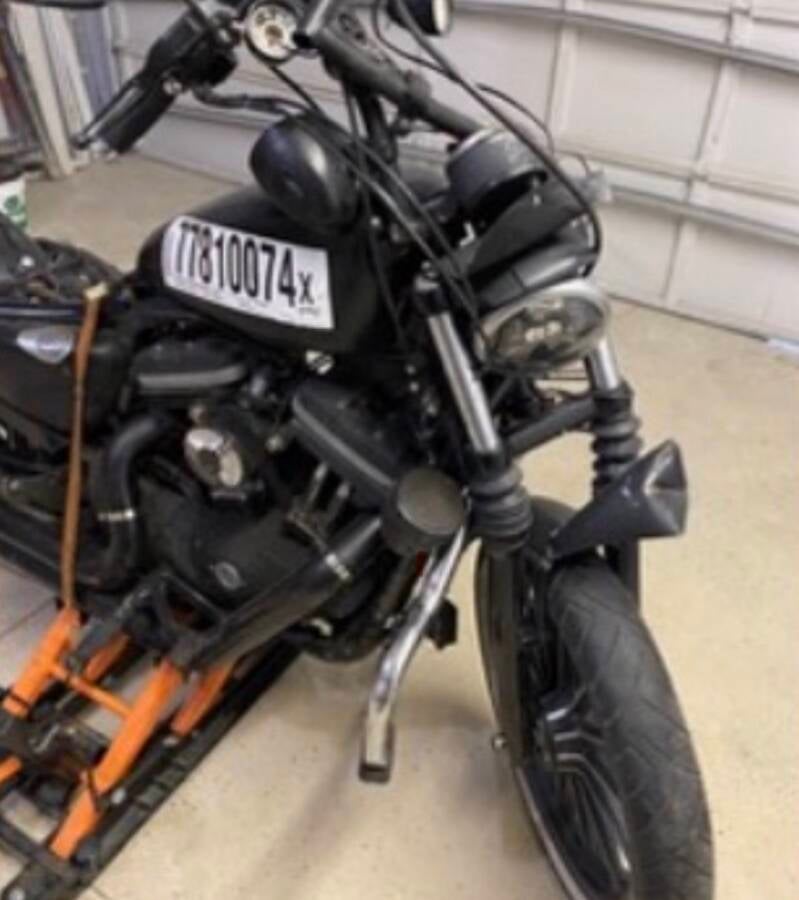
On Page 2 of the official CHP Collision Report (Traffic Crash Coding), the entire Property Damage section is left completely blank. The investigating officer recorded no property owner, no description of damaged assets, and no incident log number. In the physical world, the force of the collision snapped four heavy-duty 10,000 lb tie-down straps, launching a Harley-Davidson motorcycle forward into the cab roof before it crashed back down into the truck bed. The damaged motorcycle sat directly in plain view of first responders on scene, resting in the driver's side bed, and was subsequently recovered only after paying a deductible to retain the damaged asset.
Leaving the Property Damage section completely empty is an administrative omission with direct legal consequences. Insurance carriers rely on official police records to evaluate first-party cargo, personal property, and contents claims. By leaving Page 2 blank, the official state report certifies to insurance adjusters that zero cargo or personal property damage occurred. When victims subsequently file property loss claims for destroyed contents, insurance companies cite the empty police report to accuse the victims of fraud or refuse coverage entirely.
Constitutional & Legal Implication: An official public record that deliberately deletes physical evidence, omits major asset destruction, and conceals reality ceases to be an objective report. As you examine these exhibits, ask a basic constitutional question: Can a police report containing documented false statements, omitted digital media, and erased property damage ever be considered legally valid or cited as truthful evidence in any administrative or judicial proceeding?
Fabrication #4: Contradictory Corporate Identities & Single USDOT/MC Authority
Three Corporate Entities Swapped Across One State Collision Report
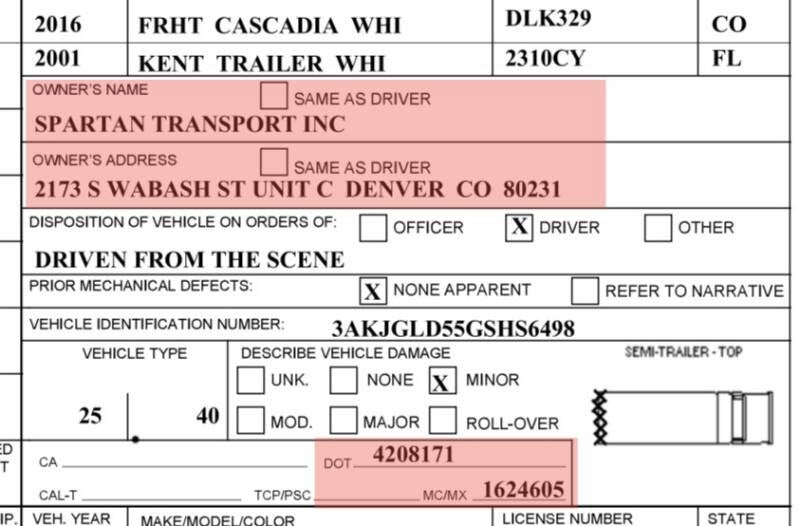
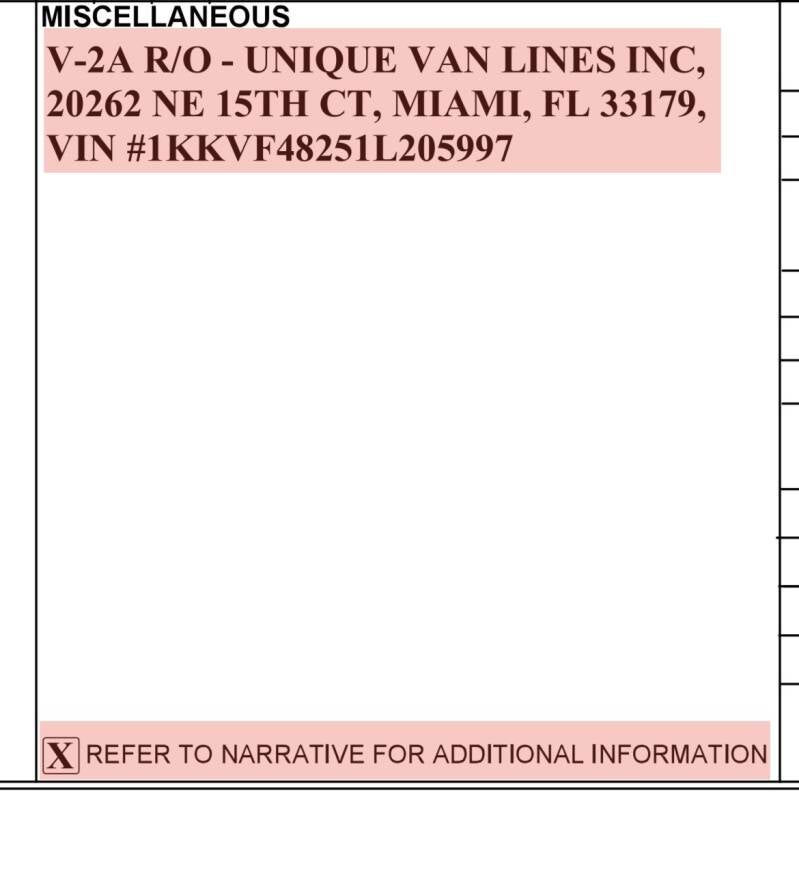
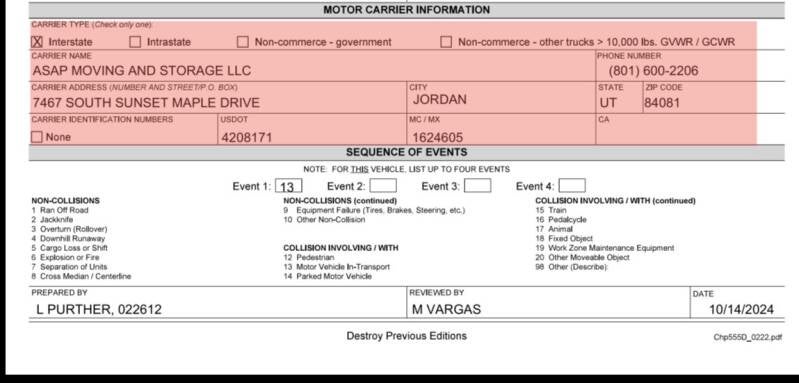
A direct inspection of the official CHP Collision Report exhibits demonstrates a fundamental, unaccountable structural defect. On Page 1, the investigating officer lists the registered owner of the power unit as Spartan Transport Inc (Denver, CO). On Page 2, under the miscellaneous section, the report shifts registered ownership of the trailer to Unique Van Lines Inc (Miami, FL). By Page 7, under Motor Carrier Information, the report logs a third distinct corporate name: ASAP Moving and Storage LLC (Jordan, UT).
Crucially, across all seven pages of this official state record, there is only one single set of federal identification credentials listed: USDOT 4208171 and MC/MX 1624605. Federal Motor Carrier Safety Administration (FMCSA) regulations (49 CFR Part 390) mandate that USDOT and MC numbers are non-transferable corporate identifiers assigned strictly to a single legal entity. Multiple independent corporate entities cannot lawfully operate under or share identical federal credentials on an official traffic collision report.
Constitutional & Legal Implication: An official law enforcement report that certifies three distinct corporate entities under a single set of federal operating numbers is facially defective. By recording conflicting corporate entities within the same report without verifying active operating authority, state law enforcement created an administrative shell game on an official record. When official state documents contain such glaring identity contradictions, they cease to function as objective public records and cannot serve as reliable evidence in any administrative, civil, or judicial proceeding.
Evidentiary Introduction: CAD Dispatch Logs & Real-Time Data Integrity
Definition, Operating Mechanics, and Foundational Discrepancies
A Computer-Aided Dispatch (CAD) log serves as the contemporaneous, system-generated audit trail of a emergency response agency's operational activity. Unlike post-incident investigative reports authored hours or days later, a CAD log records real-time digital events as they occur—capturing millisecond-accurate timestamps for initial 911 calls, operator keystrokes, unit assignments, en-route status, and field unit arrivals. Central to CAD operations are standardized law enforcement unit designations and ten-codes: status markers such as 10-97 (arrived at scene), 10-8 (cleared/available), 11-85 (tow truck required), 11-41 (ambulance requested), and 11-27 (driver license/wanted check). Furthermore, CAD system logs maintain records of queries run through the National Crime Information Center (NCIC) and state database networks (such as CLETS), capturing exact time-stamped inquiries for wants, warrants, and driver license statuses initiated by field units.
The evidentiary significance of a CAD log rests in its role as the primary, unedited baseline against which all subsequent law enforcement documentation must be evaluated. In any official investigation, the physical CHP Traffic Collision Report is legally required to align with the objective time-stamps, unit movements, witness disclosures, and radio traffic captured in the underlying CAD record. On December 29, 2025, CHP Officer D. Perez (Barstow Area) transmitted the official redacted CAD Incident Detail Report (Incident #241011BS0069) via email to Joshua Markle. Because CAD systems log actions automatically across dispatchers, radio desks, and mobile data terminals, any contradiction between the contemporaneous CAD record and the finalized police report exposes critical chain-of-custody gaps, factual omissions, or deliberate evidentiary alterations.
Core Evidentiary Principle: A CAD log is the immutable digital footprint of an incident. Where a finalized police narrative conflicts with the real-time CAD timestamps, officer queries, or dispatch entries, the CAD log stands as the authoritative benchmark. Discrepancies between the two are not mere typographical errors; they represent foundational defects in official state record-keeping.
Fabrication Discrepancy #1: Medical Evacuation & Tow Authority Contradictions
CAD Log Proves Officer-Initiated Rotation Tow & Life-Threatening Trauma Excluded from Police Report
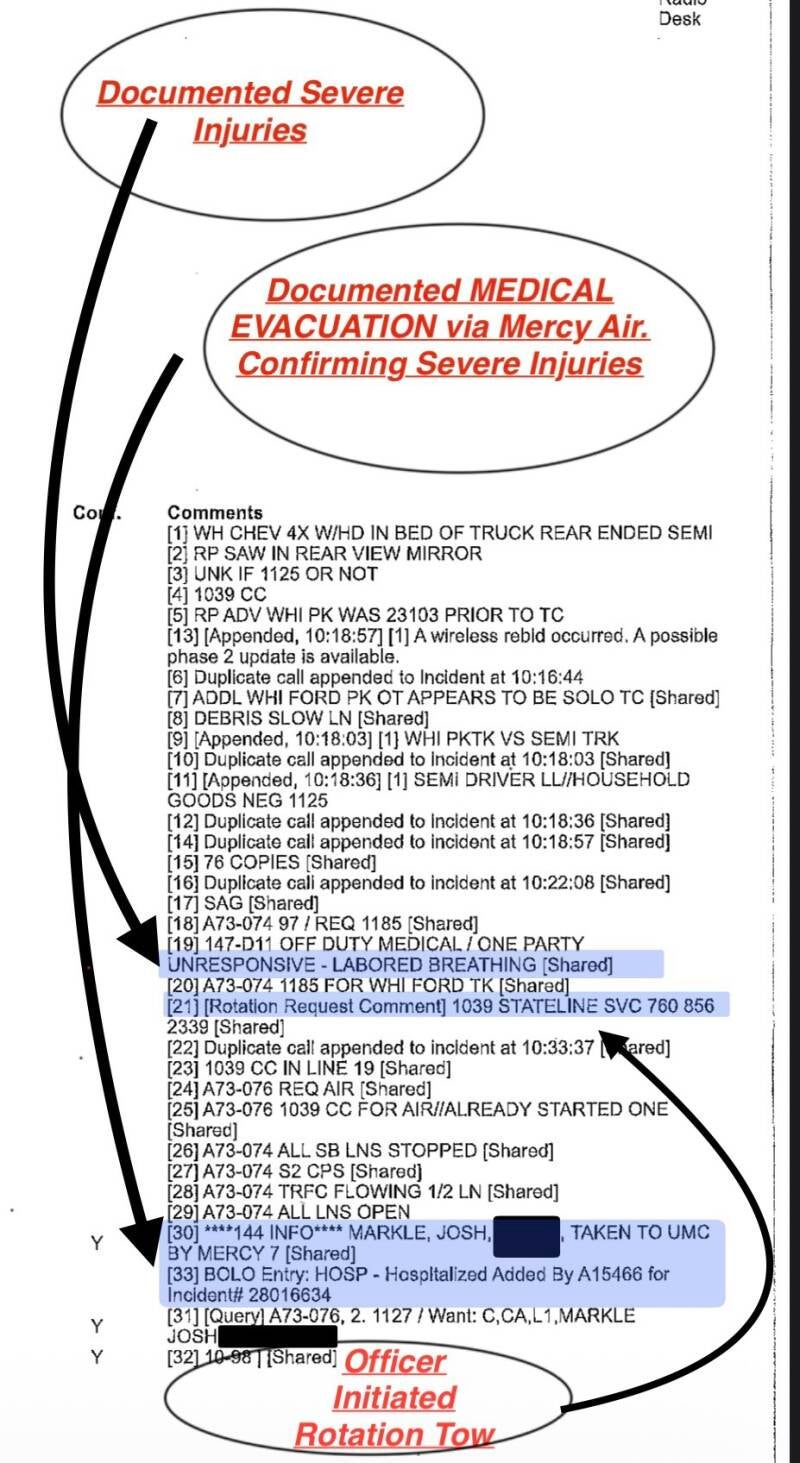
A direct examination of the contemporaneous CHP Computer-Aided Dispatch (CAD) log directly refutes the primary findings of the official collision report regarding injury severity and tow dispatch authority. CAD Comment [19] records a first-responder assessment at the scene: "OFF DUTY MEDICAL / ONE PARTY UNRESPONSIVE - LABORED BREATHING." This critical medical finding led directly to CAD Comment [24] ("REQ AIR") and CAD Comment [30], confirming a critical emergency medical airlift: "MARKLE, JOSH... TAKEN TO UMC BY MERCY 7." Classifying a collision that required emergency air transport to a Level 1 trauma center as involving merely "suspected minor injuries" constitutes a fundamental misrepresentation of physical fact.
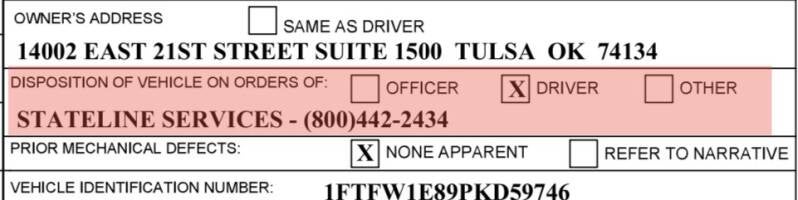
Furthermore, CAD Comment [21] logs an official dispatch command: "[Rotation Request Comment] 1039 STATELINE SVC." Under Vehicle Code protocols, an officer-initiated rotation tow occurs when law enforcement assumes legal custody of a disabled vehicle, seizing the scene and directly summoning an approved tow vendor from a state dispatch list. This directly contradicts the police report narrative claiming the vehicle owner or driver independently requested and arranged private towing services.
Evidentiary Severity & Custody Implications: Falsely attributing tow initiation to an incapacitated driver who was suffering severe trauma directly shifts the legal duty of care away from law enforcement. When officers order a rotation tow, the vehicle and all enclosed cargo enter mandatory constructive law enforcement custody. By misrepresenting this as a private driver request, official records mask the chain of custody surrounding high-value physical inventory—including substantial quantities of rare precious metals and coin numismatic holdings secured inside the vehicle cab—while downplaying a life-threatening medical emergency.
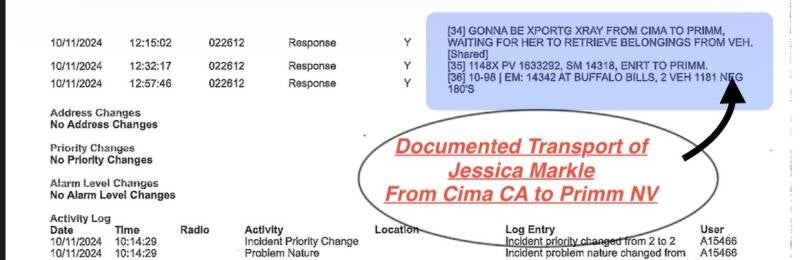
Fabrication Discrepancy #2: Documented Passenger Transport vs. Report Omissions
CAD Entries Expose Off-Record Interstate Passenger Transport and Unaccounted Property Retrieval
CAD Log Entries [34], [35], and [36] establish a chronological chain of actions by Officer Luke M. Purther (Badge #022612) that are completely omitted from the formal collision report. CAD Entry [34] at 12:15:02 explicitly logs: "GONNA BE XPORTG XRAY FROM CIMA TO PRIMM, WAITING FOR HER TO RETRIEVE BELONGINGS FROM VEH." CAD Entry [35] confirms the officer initiated official transport across state lines ("1148X PV 1633292, SM 14318, ENRT TO PRIMM"), followed by CAD Entry [36] confirming arrival and clearance at Buffalo Bill's Casino in Primm, Nevada ("10-98 | EM: 14342 AT BUFFALO BILLS").
Despite this detailed dispatch log, the finalized police report recorded that Jessica Markle was taken nowhere, required no assistance, and sought her own aid. Furthermore, Officer Purther's dispatch entry acknowledges waiting at the tow yard for her to access the impounded vehicle to "retrieve belongings"—proving both the presence of tangible property inside the vehicle and law enforcement's full awareness of it.
Evidentiary Severity & Liability Analysis: Transporting an injured passenger suffering from chest pains across state lines and leaving her at a casino commercial parking area—while formally documenting in the police report that she received no transport—creates severe legal liabilities. The officer's own dispatch entries confirm she was actively retrieving critical property from an impounded vehicle prior to transport, contradicting formal report assertions that no property was involved or damaged. This total divergence between CAD log entries and official police filings severely undermines the credibility of the investigating officers.
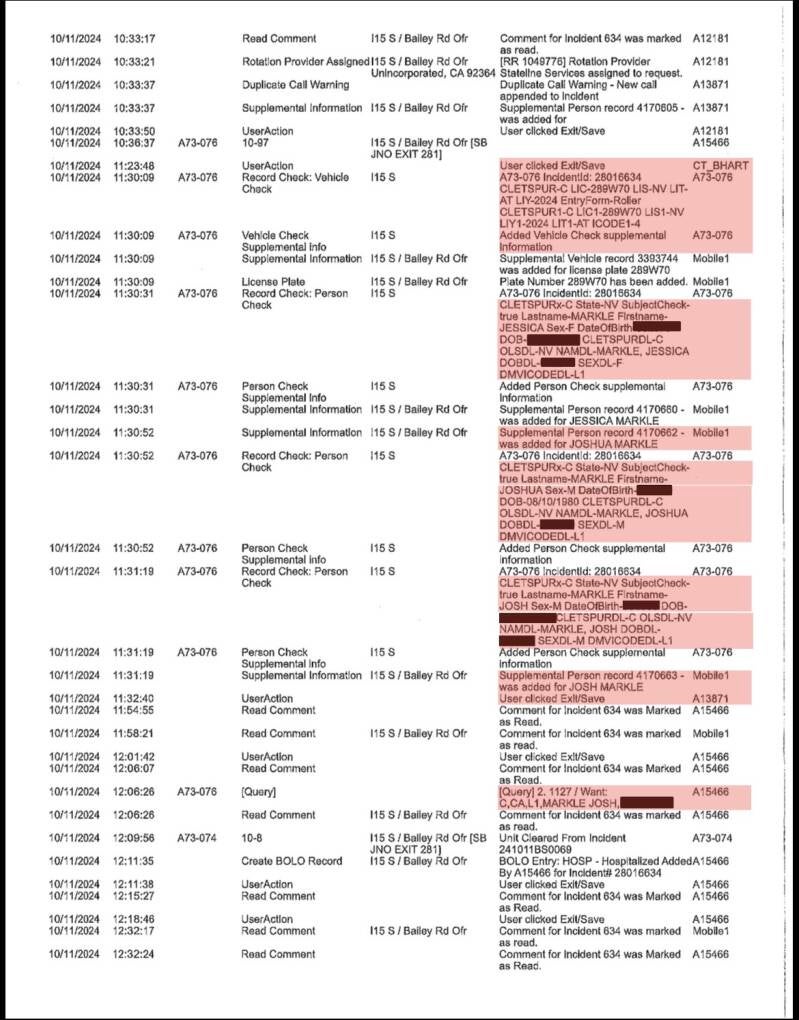
Evidence Analysis: CAD Log System Query Audit
Incident Date: October 11, 2024 | Location: I-15 South / Bailey Rd Off-Ramp
Responding Unit: A73-076
Key Query Sequence Identified:
- 11:23:48 - 11:30:09 |
Record Check: Vehicle&License Plate Checkrun on Nevada Plate289W70. - 11:30:31 |
Person Check (CLETSPURx-C)run on JESSICA MARKLE (DMV & State record retrieval). - 11:30:52 |
Person Check (CLETSPURx-C)run on JOSHUA MARKLE (DOB: 08/10/1980; DMV & State record retrieval). - 11:31:19 | Secondary variation
Person Checkrun under JOSH MARKLE. - 12:06:26 | Direct
Wants/Warrant Query [1127/Want]executed specifically targeting JOSH MARKLE.
Critical Discrepancy & Audit Note:
The system audit reveals multiple focused database queries run by Unit A73-076 targeting passenger vehicle occupants—including Joshua Markle (who was severely injured and air-evacuated by helicopter) and Jessica Markle (who remained at the scene with chest injuries). Notably, the official CAD log entries for Unit A73-076 show zero driver’s license, record, or warrant queries executed for the commercial semi-truck driver involved in the collision.
Evidentiary Analysis: Officer Perez Recorded Phone Statement
Direct Testimonial Admissions vs. Statutory Duty & CHP Regulations
This recorded communication between Joshua Markle and CHP Officer D. Perez (Barstow Area) serves as direct testimonial evidence. In the audio recording, Officer Perez—acting in his official capacity as a representative and evidence custodian of the California Highway Patrol—explicitly confirms key operational facts regarding the October 11, 2024 collision on I-15 South. When cross-referenced with California law, CHP General Orders, and contemporaneous CAD logs, Officer Perez's admissions establish critical contradictions, abandoned custodial duties, and systemic regulatory non-compliance.
Key Admissions & Legal Breakdown
1. Confirmation of Passenger Transport & Stateline Abandonment
- Officer Perez Admission: Perez explicitly confirmed Officer Perther transported Jessica Markle from the tow yard to the Buffalo Bills Casino parking lot in Primm/Stateline, NV, framing the drop-off as a compliant "place of safety."
- Factual Reality: Leaving a severely traumatized passenger—actively reporting chest injuries—at an out-of-state casino lot with high-value rare coin inventory, visible blood on her apparel, and no ground transit or medical follow-up fails to satisfy any objective standard of care.
- Statutory & Legal Violations:
- CVC § 20003 / CVC § 20016: Mandatory statutory duty for responding officers to ensure reasonable medical assistance is rendered or arranged for injured collision occupants.
- California Government Code § 815.2: Direct public entity liability for injury proximately caused by an employee's breach of duty within the scope of employment.
2. Knowledge of High-Value Cargo & Omission of Vehicle Inventory
- Officer Perez Admission: Perez acknowledged awareness of high-value rare coin cargo inside the vehicle, but asserted CHP only executes a formal CHP 180 Vehicle Inventory Report if officers initiate the tow for an absent or completely incapacitated driver.
- Factual Reality: CHP officers ordered the vehicle impounded and towed while the primary driver was life-flighted by medical helicopter and the secondary occupant was injured.
- Statutory & Legal Violations:
- CVC § 22651(h)(1): Mandates complete documentation of vehicle condition and visible personal property when an officer orders vehicle removal following driver incapacitation.
- CHP General Order 81.2: Establishes strict custodial liability to secure, log, and inventory high-value property at collision scenes upon medical evacuation of the owner.
3. Body-Worn Camera (BWC) Disclaimers vs. CLETS Warrant Checks
- Officer Perez Admission: Perez claimed CHP officers were "not required to have body cams" in October 2024, asserting mounted equipment was personal and recording traffic crash scenes remains discretionary.
- Factual Reality: Contemporaneous CAD logs confirm Officer Perther executed focused CLETS and Want/Warrant queries (11:30:52, 11:31:19, 12:06:26) on passenger occupants.
- Statutory & Legal Violations:
- CHP General Order 100.61 § 4: Video/audio recording becomes mandatory whenever contact transitions into an enforcement inquiry, detention, or criminal record check. Executing state warrant queries removes all recording discretion.
4. Audio Microphone Deactivation & Spoliation Risks
- Officer Perez Admission: Perez asserted that toggling belt microphones on or off during active collision investigations is entirely optional under agency guidelines.
- Factual Reality: Dash cam audio logs reveal Officer Perther manually turned his belt microphone on at 10:55:54 and deactivated it at 10:56:45 (active for under 60 seconds during critical scene handling).
- Statutory & Legal Violations:
- California Penal Code § 135: Misdemeanor offense to willfully suppress, conceal, or alter digital evidence or official recordings relevant to legal proceedings. Selective muting during active scene processing raises an adverse legal inference of spoliation.
Comparative Analysis Matrix
| Category | Officer Perez Claim | Legal & Policy Reality | Governing Code / Policy |
|---|---|---|---|
| Passenger Drop-Off | Relocating to Buffalo Bills parking lot was a compliant "place of safety." | Abandoning an injured passenger across state lines without medical transit fails duty of care. | CVC § 20016 Gov Code § 815.2 |
| Property Inventory | No CHP 180 required because passenger accompanied the tow truck driver. | CHP ordered vehicle impoundment following medical flight; high-value cargo requires formal logging. | CVC § 22651(h)(1) CHP GO 81.2 |
| BWC Activation | Body-worn cameras were personal; crash scene recording is discretionary. | Executing CLETS warrant queries converts contact into an enforcement inquiry, triggering mandatory recording. | CHP GO 100.61 § 4 |
| Audio Toggling | Deactivating microphone during collision handling is optional under policy. | Selective muting during scene management creates an inference of evidence spoliation. | Cal Penal Code § 135 |

The Blueprint of a Cover-Up
How California State Law Enforcement Fabricated an Operational Narrative to Erase a Catastrophic Semi-Truck Collision
When the state apparatus fails, it rarely fails by accident. It fails by design—shielded behind official letterhead, procedural jargon, and the calculated assumption that the victims will either succumb to their injuries or quietly disappear into the crushing weight of administrative bureaucracy.
On October 11, 2024, on the desolate stretch of Interstate 15 South near the Bailey Road off-ramp, a catastrophic collision occurred involving a commercial semi-truck and a passenger vehicle carrying Joshua and Jessica Markle. Joshua Markle was critically injured, his body severely crushed, requiring immediate life-flight air-evacuation to a trauma center. Jessica Markle remained at the scene, suffering from severe chest trauma, internal injuries, and extreme psychological shock.
What followed in the minutes, hours, and months after that impact was not a standard, objective law enforcement investigation. As revealed by the contemporaneous digital records, physical evidence, and recorded admissions now cataloged on this platform, the California Highway Patrol (CHP) produced an officially filed Traffic Collision Report that is fundamentally, demonstrably false. This digital archive documents the complete breakdown of official state record-keeping and exposes the mechanisms used to construct a falsified state narrative.
The Digital Footprint: Real-Time CAD Logs vs. Post-Incident Fiction
In modern law enforcement, truth leaves an indelible digital footprint. A Computer-Aided Dispatch (CAD) log operates as an unedited, millisecond-accurate audit trail of every operator keystroke, radio transmission, unit movement, and database inquiry executed in real time. Unlike a finalized police narrative—authored days later behind a desk—the CAD system cannot retroactively rewrite history.
When Ashcroft & Vale cross-referenced the finalized CHP Collision Report against the official, unedited CAD Incident Detail Report (Incident #241011BS0069), the foundation of the state’s official narrative completely collapsed. The CAD system audit reveals an extraordinary and deeply damning pattern of operational conduct by responding CHP Unit A73-076:
-
Targeting the Victims: Between 11:23 AM and 12:06 PM, while Joshua Markle was fighting for his life in an air ambulance and Jessica Markle was surrounded by wreckage, Unit A73-076 ran repeated, aggressive database queries through state CLETS networks targeting the occupants of the passenger vehicle. They queried vehicle registrations, state driver records, and ultimately executed a direct Wants and Warrant Check (
1127/Want) specifically targeting Joshua Markle. - Shielding the Commercial Driver: In stark contrast, the official CAD system logs prove that Unit A73-076 executed zero driver’s license, background, or warrant queries for the commercial semi-truck driver involved in the multi-ton collision.
While a citizen lay dying on the asphalt, state law enforcement focused their investigative apparatus not on determining the mechanical or operational liability of a commercial motor carrier, but on digging into the background of the victim.
Testimonial Admissions & Abandonment of Duty
The physical records are further compounded by recorded verbal admissions. In a legally recorded communication with CHP Officer D. Perez—acting as an official representative and evidence custodian for the Barstow CHP office—the officer confirmed facts that directly violate California statutory mandates:
- Abandonment Across State Lines: Officer Perez confirmed that CHP Officer Perther transported Jessica Markle from the tow yard and left her in the parking lot of the Buffalo Bills Casino in Primm, Nevada. The state framed this as dropping her at a "place of safety." In reality, abandoning a severely injured crash victim—actively suffering from chest trauma, covered in blood, carrying high-value rare coin inventory, and possessing no functional transportation—across state lines constitutes an outrageous abandonment of duty under California Vehicle Code § 20016 and creates direct state liability under Government Code § 815.2.
- Evading Inventory Protocols: Despite acknowledged awareness of high-value personal property (rare numismatic inventory) inside the vehicle, CHP failed to complete a standard CHP 180 Vehicle Property Inventory form prior to impoundment—a direct breach of CVC § 22651(h)(1) and CHP General Order 81.2.
- Selective Spoliation of Digital Audio: Dash camera audio logs confirm Officer Perther manually activated his belt microphone for less than 60 seconds (10:55:54 to 10:56:45) before manually toggling it off during key investigative decisions. Under California Penal Code § 135, the intentional suppression or selective muting of official investigative recordings during active scene management raises an insurmountable legal presumption of evidence spoliation.
The Core Question: Why Was the Record Fabricated?
To understand why a state police report is falsified, one must ask who benefits from the falsification—and what the officers thought they could get away with.
Why execute a focused, aggressive warrant query on a severely injured passenger at 12:06 PM while completely ignoring the commercial semi-truck driver?
The answer lies in a quick database pull. Decades prior—a quarter of a century ago—Joshua Markle had a record on file. It was ancient history, from 2001, and completely irrelevant to a 2024 highway collision where he sat as a seatbelted passenger. But in the eyes of responding officers looking for an easy exit from a complex, high-liability commercial vehicle crash, that 25-year-old record on a CLETS screen was likely viewed as an opportunity.
Did responding officers look at a past record and assume they had found a disposable victim? Did they run that warrant check hoping to find an active hold that would instantly shift the legal narrative, justify an arrest, or delegitimize the occupants of the vehicle? And when no warrant existed, did they simply decide to minimize the investigation, turn off their microphones, drop an injured woman at an out-of-state casino, and draft a sanitized police report that buried the commercial carrier's liability?
They counted on Joshua and Jessica Markle being broken by their injuries. They counted on an ancient record silencing their credibility. They never anticipated that every keystroke, every CAD timestamp, and every recorded admission would be painstakingly recovered, audited, and published for the world to see.
The CAD logs do not lie. The statutes are clear. The official police report is a fabrication—and the reckoning of public accountability has just begun.